
Views: 20 Author: Site Editor Publish Time: 2026-06-23 Origin: Site


You might be wondering: why German solar panels specifically? Doesn't Romania have local options? Oh, you'd be surprised — German solar panel quality, certifications, and durability are absolute currency in Eastern European markets. And let's be honest, Romania's climate is no joke: freezing winters, scorching summers, massive temperature swings, and surprise heavy snowfalls that put serious stress on your PV modules.
Let's be real — a few years ago, most people would've drawn a blank if you mentioned Romanian solar energy. But lately? This Eastern European country's solar market has been exploding like a rocket. What's driving this solar boom? Let's break it down.
First and most obvious reason: electricity prices have gone through the roof. Did you know residential electricity rates in Romania have jumped nearly 50% in just a few years? Commercial and industrial tariffs? Even worse. If you're a business owner or homeowner, wouldn't you be scrambling for a solution? Installing German solar panels to generate your own power just makes sense, right?
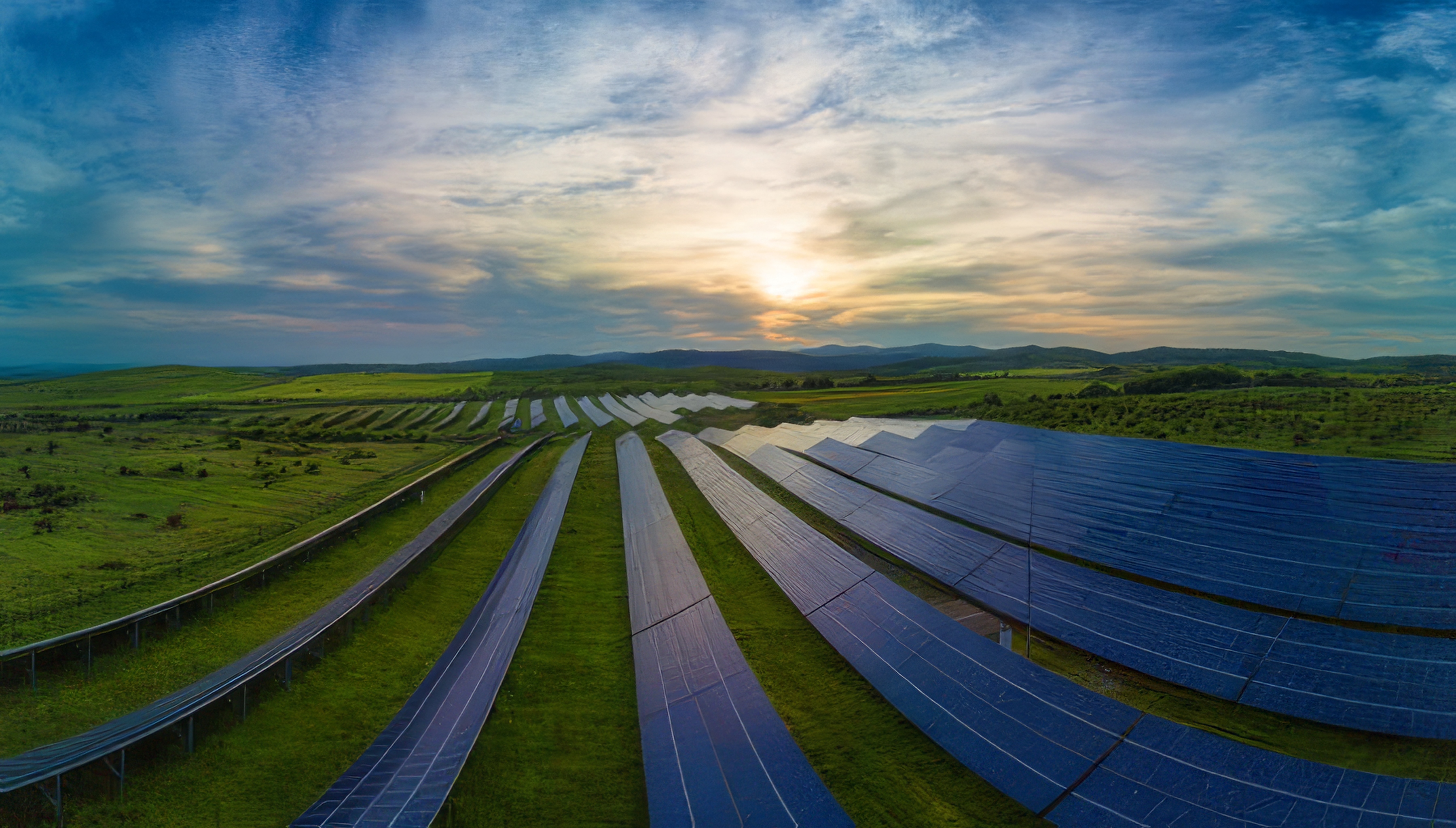
Romania has a classic continental climate: hot summers, cold winters, and dramatic temperature differences. Down south in Bucharest, summer temperatures regularly hit 35°C+; up north in Transylvania, -15°C in winter is totally normal. Throw in the Carpathian Mountains cutting across the country, and you've got wildly different microclimates depending on where you are.
Don't fall for the myth that hotter weather means more solar power — wrong! Solar panels have something called a "temperature coefficient," and the hotter they get, the less efficient they become. In Romanian summers where air temps hit 35°C+, module surface temperatures can soar past 60°C. Cheap panels with poor temperature coefficients? Their output tanks when you need it most.
Why are German solar panel brands so popular here? Because their snow load and wind load testing standards are seriously tough. Germany's winters aren't exactly mild either, so they design for this stuff from the start.
You might argue that Chinese solar panels offer better value for money — and you'd be right. But in the Romanian market, German solar panel brands bring unique advantages you can't get elsewhere.
Let's be honest: solar panels aren't a one-or-two-year purchase. We're talking 25-30 years of service. Saving a few bucks upfront only to watch your panels fail and production plummet later? That's the real expensive mistake.
Here's the beauty of German solar panel brands: their certifications are bulletproof. Buy them, and customs won't hold your shipment, installations meet local standards, and grid connection applications sail through. Grab some no-name brand without proper certs, and you could get stuck with a warehouse full of panels you can't use. Not fun.
Alright, enough setup — let's get to the good stuff. These ten German solar panel brands all have solid reputations in the Romanian market. We're not ranking them — just walking through each one so you can pick what fits your needs.
You might be thinking, "It's just solar panels, how special can it be?" Oh, you're thinking too small. Solardeland doesn't just sell panels — it delivers complete solar panel systems: PV modules, inverters, battery storage, even all-in-one solar storage systems. Everything you need, from one solar panel factory partner.
Let's start with the solar panels themselves. Solardeland's module portfolio is comprehensive: 400-500W panels for residential rooftops, 600-700W high-power modules for commercial and industrial (C&I) projects, and high-efficiency panels for utility-scale solar farms. Whatever you're building, they've got you covered.
Most importantly, every module goes through strict snow load and wind load testing. That winter snow in northern Romania? Not even a challenge.
Solar panels alone aren't enough — let's be real about Romania's grid stability. Summer peak demand? Occasional blackouts happen. That's when battery storage becomes your best friend.
For businesses? They've got large-capacity commercial storage cabinets ranging from 50kWh to hundreds of kWh. They help companies shave peak demand, cut electricity costs, and serve as backup power so outages don't kill productivity.
On the inverter side, Solardeland has its own product line too. String inverters, hybrid inverters, microinverters — all types available, and all natively compatible with their solar panels and storage systems. The compatibility is next-level.
Here's the deal: Romania's residential solar market is still growing fast. A lot of homeowners are going solar for the first time and don't really know the ins and outs. Asking them to source solar panels, inverters, and storage separately, then find installers and coordinate everything? That's overwhelming.
With an all-in-one system? One equipment package, one installation, one commissioning. Installation time drops by more than half, so labor costs go way down. And since everything is natively compatible, system efficiency is higher and energy production is more reliable.
With an integrated brand like Solardeland? No finger-pointing. The whole system is theirs, so they own the problem. And Solardeland has local service teams in Romania, so response times are fast — no waiting weeks for someone to fly in.

Their modules are known for one thing: rock-solid reliability. Not the highest efficiency, not the cheapest price, but consistent quality and low failure rates. You install them, they work. In the Romanian market, Q-Cells has always had strong recognition, and installers love recommending them — why? Fewer service calls. Less headache.
You might be wondering: is German-made more expensive? Honestly, yes — it costs more than Southeast Asian production. But you get what you pay for: stricter quality control, higher standards, better materials. And for projects that value the "Made in EU" label? SolarWorld is basically mandatory.
What's Bosch Solar's signature? Hardcore technology. They're especially strong in solar inverters and energy storage systems — makes sense, since industrial power electronics is their bread and butter.

What's Canadian Solar's superpower? Value for money. As a top-tier global manufacturer, they have huge scale and great cost control — cheaper than pure German domestic brands, but way better quality than no-name panels.
JinkoSolar's calling card? Efficiency. Their TOPCon modules have conversion rates right at the top of the industry — more power from the same roof area. For homeowners with limited rooftop space, higher efficiency means more energy production and faster payback.
Trina's modules are known for stable quality and solid value — that's the consensus. But what really sets them apart is the "smart solar" concept: smart tracking mounts, smart inverters, smart O&M systems. Put it all together, and your whole solar system produces noticeably more energy.
LONGi's tech path is distinctive: HPBC (Hybrid Passivated Back Contact) technology. Sounds fancy, but it basically means higher conversion efficiency, better temperature coefficients, and stronger low-light performance.
If you're chasing "maximum energy output," LONGi's modules deserve serious consideration.
Tongwei Solar — most people know them as the "polysilicon king," but their module business is seriously strong too. They have sales and service teams in Germany, and their European market is growing fast.
Their modules offer great value for money and solid quality. If you're budget-conscious but refuse to buy no-name junk, Tongwei is an excellent pick — top-tier quality at a lower price point.
CHINT New Energy — a household name in Chinese electrical equipment, and they're killing it in solar too. They have a German division and are expanding fast across Europe.
For small and medium projects in Romania, CHINT's solutions are practical. Full product range, reasonable prices, decent service — a well-rounded option for German solar panels in Romania.
Alright, we've covered the brands — now let's talk about the common mistakes people make when buying solar panels in Romania. Because let's be real: you want your money working for you, right?
When most people shop for solar panels, the first thing they check is the wattage. Higher watts = better, right? Not necessarily.
In Romanian summers, module surface temperatures regularly hit 50-60°C, and actual output is way lower than the nameplate suggests. So don't just fixate on wattage — check temperature coefficient, low-light performance, real-world efficiency too.
Because Romanian summers are hot! In southern cities like Bucharest and Constanța, 35°C+ days are totally normal. Leave solar panels out in that all day, and surface temperatures hit 60°C or higher.
Let's run the numbers: at 60°C, that's 35°C above the 25°C baseline. With a -0.40%/°C coefficient, you lose 14% of your power. With -0.30%/°C? Only 10.5%. That 3.5 percentage point difference adds up to a lot of lost kilowatt-hours over a year.
First, product warranty and performance warranty are two different things. Product warranty covers defects and failures; performance warranty guarantees the panels won't drop below a certain output level. Don't mix them up.
And third — who's actually backing the warranty? The manufacturer directly, or a third party? Does the company have offices in Europe? Who do you call when something goes wrong? These are make-or-break questions. If the manufacturer doesn't have a presence in Europe and something breaks, good luck with international warranty claims. It's a nightmare.

You can buy the best German solar panels on the market, but if the installation is botched, it's all wasted. Bad mounting, wrong wiring, incorrect tilt angle, unaddressed shading — all of these can tank your energy production.
How do you spot a good installer? Check their project portfolio, certifications, customer reviews. If possible, go see some of their installed projects in person. Don't just go with the cheapest quote — a cheap installer who does shoddy work? You'll regret it for 20 years.
Alright, we've covered a lot of ground. By now, you should have a solid picture of the German solar panel landscape in Romania.
If you want the one-stop convenience of integrated solar-plus-storage, Solardeland's all-in-one systems might be exactly what you need. If your budget is generous and you insist on pure German manufacturing, SolarWorld is worth checking out. If value for money is your priority, JinkoSolar, Canadian Solar, and Tongwei all deliver top-tier quality at solid prices. If you're chasing maximum efficiency, LONGi's HPBC technology is worth exploring.
Hope this guide helps you find the perfect German solar panels for your Romanian project. If you found it useful, share it with friends who are also thinking about going solar!


